Norweco Singulair Green Wantage NJ: Avoiding Common Ownership Mistakes
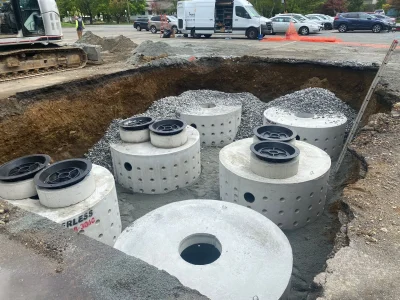
Owning a Norweco Singulair Green system in Wantage, NJ is not quite the same as owning a conventional septic tank. That difference matters more than many homeowners realize. A standard septic setup can go unnoticed for years if the home has light usage and decent soil. An aerobic treatment unit, by contrast, is an active piece of infrastructure. It depends on electricity, mechanical components, regular service, and homeowner awareness. When people treat it like a buried tank they never need to think about, expensive problems tend to follow.
That is especially true in Sussex County communities like Wantage, where many homes rely on on-site wastewater systems and where weather, groundwater conditions, and property layout can all influence performance. I have seen the same pattern repeat itself over and over. A homeowner moves into a property with a treatment system that seems more advanced than a regular septic tank. They assume “advanced” means “hands-off.” Six months later, an alarm sounds. A year later, there is sludge carryover, poor effluent quality, or a drainfield under stress. None of those outcomes happen overnight. They usually grow out of small ownership mistakes that could have been avoided with a little practical understanding.
The phrase norweco singulair green Wantage NJ often comes up when buyers, sellers, and current owners are trying to understand what they actually have buried in the yard and mounted on the house. The real issue is not just brand identification. It is how to own the system well enough that it lasts, complies with local expectations, and does not create recurring repair bills.
What makes this system different from a basic septic tank
A Norweco Singulair Green system is a form of aerobic wastewater treatment. Instead of relying only on settling and passive decomposition inside a septic tank, it introduces aeration and treatment stages that clean wastewater more aggressively before discharge. That can be a good fit for properties where higher treatment standards are needed or where site conditions limit simpler options.
The trade-off is straightforward. Better treatment usually means more moving parts, more monitoring, and less forgiveness when owners ignore warning signs. That does not make the system fragile. In my experience, these systems can be dependable when they are maintained properly. The trouble starts when owners assume all underground wastewater systems behave the same way.
A conventional septic tank can tolerate a surprising amount of neglect before symptoms become obvious. An aerobic treatment unit is less likely to let neglect slide quietly. If the aerator stops running, if solids are not removed on schedule, or if harmful materials enter the system, performance can deteriorate faster and more visibly.
That is the mindset shift homeowners need. You are not just maintaining a tank. You are maintaining a treatment process.
The first mistake, not learning the system after buying the house
The most common ownership mistake happens right after closing. A new owner receives a folder, maybe half-complete, with an old service ticket, a permit copy, and a hand-drawn diagram of the yard. Then life gets busy. The paperwork goes into a drawer. No one calls a service provider. No one confirms the maintenance history. No one even tests whether the alarm works.
That early period is when a lot of preventable damage begins. If you bought a home with a Norweco Singulair Green system in Wantage, NJ, the first month should be used to answer a few practical questions. When was it last pumped? Who has been servicing it? Is there a maintenance contract in place? Are there risers to grade, or will access require digging? Where does treated effluent go after the unit? If an alarm sounds, what exactly does it indicate?
Homeowners who skip that orientation period often spend the next few years reacting instead of managing. The irony is that a one-hour conversation with a qualified service company usually clears up most of the uncertainty.
I have seen buyers inherit systems that were perfectly sound but overdue for routine maintenance. Because nobody checked records promptly, the system got treated as if it was in fine shape. By the time the owner noticed odors or a high-water alarm, the issue had become more expensive than it needed to be.
Ignoring the alarm because everything still “seems to work”
This is the mistake service technicians talk about constantly. The house drains normally, the toilets flush, and nothing is backing up, so the homeowner assumes the alarm can wait until next week. Then next month. Then “whenever somebody can come out.”
That delay is costly. An alarm exists because part of the treatment process is outside normal operating conditions. Depending on system design and controls, the problem may involve high water, aeration failure, pump trouble, or electrical interruption. Some issues are minor if addressed immediately. The exact same issues can cascade if ignored.
A failed aerator, for example, may not produce an instant backup in the house. But the treatment quality can decline while the system continues taking wastewater from daily use. Solids management suffers. Effluent quality changes. Downstream components take on stress they were not meant to absorb. By the time the owner notices a yard problem, the original repair might have been simple, but the resulting cleanup is not.
Alarm fatigue is real. People get used to nuisance alerts from appliances and smart devices. Wastewater alarms should never be handled with that same casual attitude. Even if the fix turns out to be as simple as resetting a breaker or replacing a component, the right response is always prompt evaluation.
Treating it like a garbage disposal for the whole house
Another ownership mistake is chemical and norweco singulair green Wantage NJ excavatingnj.com material abuse. This tends to happen gradually because no single flushed wipe, disinfectant slug, or grease load appears catastrophic. The damage comes from repetition.
Aerobic treatment units need a healthy biological environment. Harsh cleaners, paint products, solvents, excessive bleach, and antibacterial overuse can interfere with the microbial activity that makes treatment possible. Non-flushable products create a separate problem by tangling components, clogging lines, or accumulating where they should not.
The homeowners who keep these systems healthy usually do not become obsessive about every drop of cleaner. They simply develop good habits. They spread out laundry loads, avoid dumping problem materials, and keep “flushable” marketing claims at arm’s length. They understand that a wastewater system is not a trash can with plumbing attached.
Here is where lived experience matters. Many owners focus on what should never go down a drain, but they miss the issue of volume and timing. A system can struggle even when everything entering it is technically biodegradable. A weekend house full of guests, back-to-back laundry, long showers, and a dishwasher running twice in one evening can stress any on-site system. Aerobic treatment helps, but it does not suspend hydraulic limits.
Forgetting that pumping still matters
Some homeowners hear “treatment unit” and assume pumping is mostly optional. It is not. Solids still accumulate. Compartments still need inspection. Sludge and scum levels still matter. If pumping intervals are allowed to stretch too far, solids can move where they should not, reducing treatment effectiveness and burdening downstream disposal components.
The exact interval depends on household size, actual water use, and system configuration. There is no universal number that fits every property, and anyone who gives one without context is simplifying too much. A lightly occupied home may stretch longer than a busy family house. The better approach is to let inspection results guide timing.
One reason owners delay pumping is that the system appears to be working. That is a poor metric. By the time performance problems show up above ground, the damage may already involve more than routine solids removal. If you own a norweco singulair green Wantage NJ property, ask your service provider to explain not just when they recommend pumping, but why. A good answer should mention sludge depth, compartment condition, usage patterns, and the protection of downstream components.
Service contracts are not paperwork, they are part of ownership
Many advanced treatment systems are installed with ongoing service expectations for a reason. Mechanical parts wear. Settings need adjustment. Effluent quality depends on regular checks. If there is one ownership habit that separates smooth long-term performance from recurring trouble, it is staying on top of scheduled service.
Some owners try to save money by canceling service visits after a few uneventful years. On paper, the savings look attractive. In practice, that often means no one catches weak aeration, worn components, poor settling, or rising solids until symptoms force emergency work. Emergency work almost always costs more than planned maintenance, and it tends to happen at the worst possible moment, during a holiday weekend, before a gathering, or after heavy rain.
A proper service relationship also creates documentation. That matters more than people think. If you sell the property later, buyers want records. If there is a local compliance question, records matter. If a component failure becomes a warranty issue, records matter again.
Landscaping mistakes that quietly damage the system
The yard around the treatment unit and disposal area deserves more respect than it usually gets. Homeowners often cause problems without realizing it. A shed gets placed over access. Decorative boulders block lids. Soil is graded in a way that directs runoff toward components. Trucks drive across areas never intended for traffic. Trees or aggressive shrubs are planted for privacy without enough thought for future root growth.
These mistakes tend to come from good intentions. Someone wants a prettier yard, a cleaner view, or more usable space. The problem is that wastewater components need access, airflow, and protection from compaction. You can absolutely have an attractive landscape around the system, but the design has to respect what lies below.
One of the more frustrating service calls involves a simple inspection that turns into a half-day digging project because the lids disappeared under mulch, edging, and several inches of added topsoil. That is not just inconvenient. It increases labor cost and discourages routine checks. Easy access supports regular maintenance. Buried access points invite neglect.
Electrical neglect is more serious than it looks
Because these systems depend on powered components, electrical issues can become wastewater issues very quickly. Homeowners sometimes turn off breakers during unrelated house work and forget to restore them. Outdoor disconnects get ignored. Corrosion appears. GFCI trips are reset without asking why they happened. Extension-cord thinking creeps into permanent equipment conversations.
That is risky. If something electrical is repeatedly tripping, the correct response is diagnosis, not repeated resets. Moisture intrusion, motor problems, failing floats, and wiring defects can all be involved. Aerobic systems need stable, reliable power. Treating the electrical side casually is no different than driving a car while ignoring the oil-pressure light because the engine still starts.
A practical owner checks from time to time that the system has power, that alarm indicators are understood, and that any unusual behavior gets reported promptly. You do not need to become your own technician. You do need to avoid turning small electrical warnings into larger mechanical failures.
Seasonal assumptions can lead to trouble in Wantage
Wantage weather introduces its own complications. Heavy rain, freeze-thaw cycles, snow cover, and seasonal occupancy patterns all change how homeowners interact with on-site systems. A property that feels easy to manage in dry summer conditions may behave differently after prolonged wet periods.
Cold weather does not normally ruin a properly operating treatment unit, but winter can expose weak maintenance habits. Lids left poorly sealed, shallow lines with inadequate cover, and neglected alarms become more troublesome when service access is harder. Snow itself is not the enemy. Disturbing insulating cover or compacting areas unnecessarily can create headaches, especially if the site already has marginal conditions.
Then there is the opposite issue, long vacancies. Some second-home or lightly occupied properties in the broader region do not generate the same flow every month. Intermittent usage affects biological activity and can confuse owners who expect perfectly steady operating behavior. When occupancy changes significantly, it is worth discussing with a qualified service provider instead of assuming the system will respond exactly the same way year-round.
What careful owners do differently
The homeowners who get the best life out of these systems are not necessarily the most technical. Usually, they are simply observant and consistent. They know who services the unit. They keep records. They respond quickly to alarms. They avoid careless flushing and dumping habits. They understand that maintenance costs are part of ownership, not evidence that something is wrong.
A useful operating checklist looks like this:
- Keep current contact information for a qualified service provider and know how to report an alarm.
- Maintain service records, pumping dates, and any repair history in one accessible place.
- Protect access lids and treatment areas from vehicles, deep landscaping, and added structures.
- Use water thoughtfully, especially during gatherings, laundry-heavy days, and wet weather periods.
- Ask questions whenever site conditions, occupancy, or system behavior changes.
None of those habits is complicated. Together, they prevent a surprising number of expensive service calls.
When a “minor” issue is actually pointing to a larger pattern
One thing experienced technicians notice is that single problems rarely stay single for long. A homeowner calls about an odor. During inspection, it turns out the aerator has been underperforming. Records show pumping is overdue. The access lids are partly buried. The yard nearby has also been compacted by a delivery truck. Each issue by itself may seem manageable. Combined, they tell a story of deferred ownership.
That is why it is unhelpful to ask only, “How much to fix this one thing?” The better question is, “What conditions led to this, and what will prevent it from happening again?” Good wastewater maintenance is not just part replacement. It is pattern recognition.
If you are shopping for a home with a norweco singulair green Wantage NJ setup, this point matters even before you own it. A pre-purchase inspection should go beyond confirming that the toilets flush. You want maintenance records, alarm status, visible component condition, and realistic comments about how the current household has used the system. A lightly occupied two-person home can conceal capacity and maintenance realities that feel very different when the next owner moves in with a larger family.
Questions worth asking your service provider
A little direct communication goes a long way. Owners often feel embarrassed asking basic questions because the system seems specialized. There is no reason to feel that way. A good provider should be able to explain operating expectations in plain language.
The most useful questions are usually these:
- Based on this home’s use, what pumping and inspection schedule makes sense?
- What alarms or warning signs should trigger an immediate call?
- Are there any site-specific concerns here, such as drainage, access, or landscaping?
- Which homeowner habits most often create avoidable service calls on systems like this?
- What records should I keep for future service and eventual resale?
Notice what these questions do. They turn maintenance into a practical partnership instead of a mystery.
The resale angle many owners miss
Poor ownership does not just raise operating costs. It can affect resale value and buyer confidence. Advanced treatment systems already make some buyers nervous because they expect complexity. A well-documented, professionally maintained system helps reduce that anxiety. A neglected one does the opposite.
I have seen transactions slow down because the seller could not produce service records, did not know the last pumping date, and could not clearly identify who maintained the unit. None of that proves the system is failing, but it makes everyone wonder what else has been overlooked. On the other hand, when a seller can show organized records, recent service, and a clear understanding of the system, the conversation becomes much easier.
That is one more reason ownership discipline pays off. You are not just protecting performance today. You are protecting future marketability.
The real goal, fewer surprises and longer system life
Owning a Norweco Singulair Green system in Wantage is not difficult once you accept what it is. It is an active wastewater treatment system that rewards attention and punishes indifference. Most serious problems do not come from mysterious defects or bad luck. They grow out of familiar mistakes, delayed service, ignored alarms, poor disposal habits, overdue pumping, blocked access, and weak recordkeeping.
If there is one practical lesson that stands above the rest, it is this: small actions taken early are cheap, quiet, and effective. Small actions postponed become repairs. Repairs postponed become larger site problems. Homeowners who understand that rhythm usually do well with these systems for many years.
The best ownership style is not anxious or obsessive. It is informed, steady, and responsive. That approach keeps the system doing what it was built to do, treat wastewater reliably without becoming the most expensive thing in your yard.
Excavating New Jersey LLC
406 County Rd 565
Wantage, NJ 07461, United States
Phone: +1 (973) 791-4284
FAQ About norweco singulair green Wantage NJ
How does a Norweco septic system work?
Singulair Green uses aerobic biological treatment in a polyethylene tank, followed by settling and filtration. The treatment unit is one part of a complete wastewater system; the site design also determines how treated effluent is dispersed.
How much does a Norweco septic system cost in NJ?
A useful estimate requires a property evaluation. Excavation access, soil conditions, engineering, electrical work, the disposal field, and restoration can affect the total. Ask Excavating New Jersey LLC for a written scope that distinguishes installation costs from ongoing service costs.
Are Norweco septic systems good?
Singulair Green is an established aerobic treatment option, but suitability depends on the property and proposed design. Compare the model's documented performance, maintenance needs, and total project scope with alternatives before deciding.